Altadena Now is published daily and will host archives of Timothy Rutt's Altadena blog and his later Altadena Point sites.
Altadena Now encourages solicitation of events information, news items, announcements, photographs and videos.
Please email to: Editor@Altadena-Now.com
- James Macpherson, Editor
- Candice Merrill, Events
- Megan Hole, Lifestyles
- David Alvarado, Advertising



Friday, October 23, 2026
Health Officials Urge Blood Lead Testing for Young Children During National Prevention Week
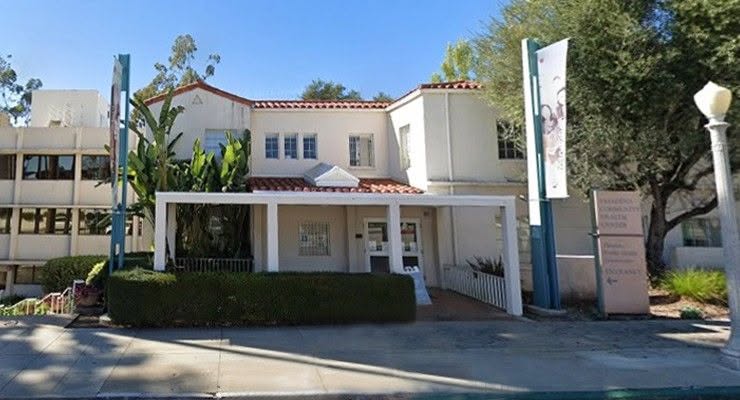
State rules call for testing children in Medi-Cal at 12 and 24 months, and the city lists the Eaton Fire among potential exposure sources
The Pasadena Public Health Department is encouraging families to ask their children’s health care providers about blood lead testing during National Lead Poisoning Prevention Week, Oct. 25 to 31, saying a blood test is the most reliable way to detect exposure because symptoms are not always visible.
“There is no safe level of lead in a child’s body,” the department said, adding that children under 6 are especially vulnerable because lead can affect brain development, growth, learning, behavior, speech and hearing. The Centers for Disease Control and Prevention states that no safe blood lead level in children has been identified.
Under California guidelines issued in 2023, health care providers must order blood lead tests at 12 and 24 months of age for children in publicly funded programs such as Medi-Cal, with catch-up testing required through 72 months, according to the state Department of Health Care Services. Families enrolled in Medi-Cal are encouraged to ask their doctor about free blood lead testing for children and individuals under 21, the city said.
The CDC’s blood lead reference value of 3.5 micrograms per deciliter, lowered from 5 in October 2021, is based on the 97.5th percentile of blood lead levels among U.S. children ages 1 to 5, and the agency describes it as a screening benchmark rather than a health standard.
Potential sources of exposure include the Eaton Fire, buildings constructed before 1978, contaminated dust or soil, certain imported foods and spices, ceramics, cosmetics, traditional remedies, and soldering or stained-glass work, according to the department. The Los Angeles County Department of Public Health launched free blood lead testing in areas affected by the Eaton and Palisades fires. As of Aug. 15, all but 11 of more than 2,100 people tested, including 218 children, were below the CDC reference value, and all 11 with slightly elevated levels were adults, according to the City of Pasadena.
A Los Angeles County soil report found that 20% of samples from cleared lots and 38% of samples from surviving homes in the Eaton Fire area exceeded California’s residential standard of 80 parts per million for lead, LAist reported in September 2025. About 70% of Altadena homes were built before 1979, the outlet reported. Janet Scully, a Los Angeles County public health manager, told Reuters in 2025 that any home built before 1978 would be expected to “contain some sort of lead paint.”
Nationally, HUD estimates that about 3.3 million households with children under 6 have lead exposure hazards from deteriorated paint, dust or soil, according to the CDC, which develops the week’s resources with the EPA and HUD under the theme Keep Kids Safe from Lead.
The department also advises reducing lead hazards in places children spend time and keeping lead dust off work clothing and shoes brought home. Testing and prevention information is available from the California Department of Public Health at https://www.cdph.ca.gov/
Altadena Calendar of Events
For Pasadena Events, click here