Altadena Now is published daily and will host archives of Timothy Rutt's Altadena blog and his later Altadena Point sites.
Altadena Now encourages solicitation of events information, news items, announcements, photographs and videos.
Please email to: Editor@Altadena-Now.com
- James Macpherson, Editor
- Candice Merrill, Events
- Megan Hole, Lifestyles
- David Alvarado, Advertising



Monday, February 9, 2026
Pharmacy and Lab Workers Join Kaiser Permanente Strike as Nurses Enter Third Week
STAFF REPORT
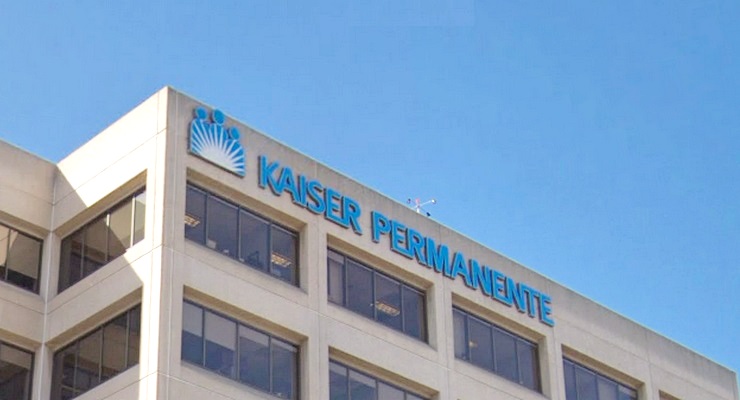
More than 4,000 UFCW members walk off the job Monday at the Pasadena-headquartered health care system
More than 4,000 pharmacy and laboratory workers began an open-ended strike against Kaiser Permanente on Monday, February 9, joining approximately 31,000 nurses and health care professionals who have been on strike since January 26 at the health care system whose Southern California regional headquarters is in Pasadena.
The walkout by members of the United Food and Commercial Workers union expands the work stoppage at Kaiser Permanente, which manages its Southern California operations from 393 E. Walnut St. in the Pasadena Civic Center and serves 4.9 million members in the region. The unions say Kaiser has committed unfair labor practices by refusing to bargain in good faith. Kaiser, in a statement issued Sunday from its Pasadena headquarters, called the strikes “unnecessary, disruptive for our members and patients, and counterproductive to reaching a contract agreement.”
UFCW members walked off the job at 7 a.m. Monday at Kaiser facilities throughout Los Angeles, Orange, San Diego, San Bernardino, Riverside, Ventura and Kern counties, according to the union. The UFCW locals represent 2,424 pharmacy employees and 929 clinical lab scientists in Southern California, according to Kaiser’s statement. The broader UFCW coalition represents over 4,000 frontline workers including pharmacy assistants, pharmacy technicians, clinical lab scientists, medical lab technicians and clinical and administrative workers, according to City News Service.
The union scheduled a 10 a.m. solidarity rally Monday at Kaiser’s facility at 4867 Sunset Blvd. in Hollywood, with additional rallies planned at Kaiser locations in Los Angeles, Panorama City and Downey throughout the week, according to UFCW.
The pharmacy and lab workers join approximately 31,000 members of the United Nurses Associations of California/Union of Health Care Professionals who began an open-ended unfair labor practice strike on January 26. UNAC/UHCP members include registered nurses, pharmacists, nurse anesthetists, nurse practitioners, midwives, physician assistants, rehab therapists, speech language pathologists and dietitians, according to the union.
Both unions say the strikes are a response to unfair labor practices. In December, UFCW and other unions in the Alliance of Health Care Unions filed charges with the National Labor Relations Board alleging Kaiser unlawfully refused to bargain and attempted to bypass the agreed-upon national bargaining process, according to union officials. The UFCW said negotiations had been underway since April 2025. The UFCW said the contract covering pharmacy employees across Southern California expired on November 1, 2025, and the contract covering clinical lab scientist and medical lab technician employees expired on February 1, 2026.
UNAC/UHCP said its contract with Kaiser expired on September 30, 2025, and that the union conducted a five-day strike in October before the current open-ended walkout. The union said national bargaining had been underway since May 2025 and stalled in December when Kaiser paused negotiations. UNAC/UHCP has said it filed an unfair labor practice charge with the NLRB on December 17, 2025, alleging Kaiser attempted to bypass the national bargaining process.
The unions have said key issues include safe staffing levels, workload standards, fair wages and what they describe as respect at the bargaining table. UNAC/UHCP President Charmaine S. Morales said in a statement at the start of the January 26 strike that the union is “striking because Kaiser has committed serious unfair labor practices and because Kaiser refuses to bargain in good faith over staffing that protects patients.”
Kaiser Permanente, in its Sunday statement from Pasadena, said it has worked for more than eight months to reach national and local agreements, but that “the Alliance’s and UNAC/UHCP’s actions have stalled progress and undermined the national bargaining process.” The company said it has shifted remaining unresolved issues to 53 local bargaining tables and has provided each with comprehensive contract proposals.
Kaiser described its contract proposal as “the strongest compensation package in Kaiser Permanente’s national bargaining history.” The company said the total pay increase it is offering, including step increases, amounts to roughly 30% over the length of the contract. Kaiser said its employees already earn, on average, about 16% more than workers in similar roles at other health care organizations, and in some markets up to 25% more, according to the company’s statement.
Kaiser said UNAC/UHCP’s demands for wage increases, wage scale adjustments and step increases for nurses would amount to a 63% average pay increase over the term of the contract, which the company called “unsustainable.” As an example, Kaiser said a full-time registered nurse in Southern California could see pay rise from $160,861 to $264,661 under the union’s proposal. The demands would raise annual payroll by $3 billion, or $1 billion more than Kaiser’s proposal, according to the company’s statement.
Kaiser has said it paused national bargaining in December following what it described as a “concerning incident” involving a UNAC/UHCP leader. Kaiser said a union official “claimed to have evidence of illegal, unethical and reputationally damaging information about Kaiser Permanente” and “threatened to release this supposed evidence incrementally.” UNAC/UHCP has said Kaiser’s account misrepresents what occurred.
Kaiser said more than 35% of striking employees have returned to work across striking locations, and as high as 55% at some locations. The company also said it is “hearing from employees who are afraid to return to work as they are being threatened by their union with fines for coming back in to care for patients.” Kaiser said it is “committed to protecting our employees from harassment and retaliation.”
Kaiser said its hospitals, emergency departments and all medical offices have remained open, though some pharmacies and labs will be closed as a result of the UFCW walkout. The company said it has temporarily shifted some appointments to virtual care and rescheduled certain non-urgent procedures. Members continue to have 24/7 access to same-day care through Get Care Now on kp.org and the Kaiser mobile app, according to the statement. Kaiser said employees from other regions have volunteered to relocate temporarily to Southern California to support operations, and the company has expanded contracted services and is working with community partners, commercial laboratories and retail pharmacy networks.
Both strikes are open-ended, with no scheduled end date. For the latest facility information, Kaiser members can visit kp.org.
Altadena Calendar of Events
For Pasadena Events, click here