Altadena Now is published daily and will host archives of Timothy Rutt's Altadena blog and his later Altadena Point sites.
Altadena Now encourages solicitation of events information, news items, announcements, photographs and videos.
Please email to: Editor@Altadena-Now.com
- James Macpherson, Editor
- Candice Merrill, Events
- Megan Hole, Lifestyles
- David Alvarado, Advertising


Sunday, August 2, 2026
League of Women Voters to Brief Commission on Voter Outreach and Election Security
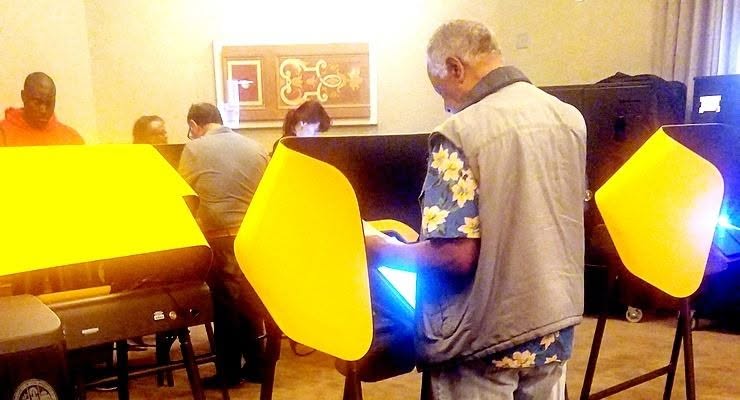
A civic engagement presentation prepared for the Aug. 5 meeting covers ballot access, election safeguards and how to spot misinformation
The League of Women Voters is scheduled to present a civic engagement briefing to the Commission on the Status of Women when the commission meets Aug. 5, walking members through voter outreach strategy, election security procedures and techniques for identifying misinformation online.
Martha Zavala, League Past President and Voter Services Director, is scheduled to deliver the presentation as an information item under New Business. The commission may take action on any item listed on it as it deems appropriate following consideration and discussion of the matter.
The presentation, titled “Engaging Voters & Why Informed Women Are Shaping What’s Next,” is subtitled a guide to showing up, speaking up and protecting rights at the ballot box, and is labeled a 2026 civic engagement briefing carrying the tagline “Every Voice. Every Vote.”
The opening section argues that being an informed voter is a form of power, stating that more than 50 percent of the electorate is women — a voting bloc the presentation describes as large enough to decide any close race — and that a single vote can shift a local election that sets policy on healthcare, schools and pay. It adds that every level of government — local, state and federal — writes rules that touch daily life, and that elected officials set the policies that decide reproductive healthcare access, pay equity, parental leave and protection from discrimination.
A following section, titled “Women’s Rights Are on the Ballot,” lists four areas in which the presentation says advocates point to federal decisions as reasons women’s turnout matters more than ever: reproductive healthcare, equal pay and workplace protections, parental and family leave, and healthcare coverage.
Two sections address election integrity. The first lists paper ballots and paper trails, bipartisan poll workers staffing polling sites, chain-of-custody rules governing how ballots are tracked and transported, and certified equipment that the presentation says is tested before and after each election and is not connected to the internet.
The second lists post-election audits in which many states hand-count a sample of paper ballots, multi-step certification by local and state election officials, court oversight and independent observers from both parties and nonpartisan groups.
The presentation states that 64 court cases challenging the 2020 election — reviewed in the conservative-authored “Lost, Not Stolen” report, including rulings by Trump-appointed judges — found no evidence of widespread voter fraud.
A media literacy section urges readers to check who is behind a political post, confirm the date, look for original reporting from multiple reputable outlets and read past the headline. It suggests an exercise in which a reader opens three separate search windows for the same claim and appends the words false, true and debunked to see what each returns. It lists red flags including emotional manipulation, too-perfect screenshots, and altered images or video, and advises verifying any information about how, where or when to vote with a secretary of state or local election office rather than social media.
The closing slides list five ways to engage voters — checking registration status early and helping others register, studying the ballot from primary sources, starting conversations, making a voting plan, and voting in every election rather than only presidential years. They point to League tools at cavotes.org, including the VOTE411 ballot lookup and a plain-language Easy Voter Guide available in multiple languages, and recommend starting four to six weeks before Election Day. The final slide directs prospective voters to lavote.gov to register.
The Commission on the Status of Women is scheduled to meet at 6 p.m. on Wednesday, Aug. 5, in the Jackie Robinson Community Center, 1020 N. Fair Oaks Ave., in Pasadena. For more information call (626) 744-4124 or visit https://www.
Altadena Calendar of Events
For Pasadena Events, click here